Within
Normal Limits
of
Reason

"Chance is the very guide of life"

"In practical medicine the facts are far too few for them to enter into the calculus of probabilities... in applied medicine we are always concerned with the individual" -- S. D. Poisson

May 10, 2010

China's healthcare reform and clinical trials

Bridge at Night in Suzhou, China.Image by michael40001 via Flickr

Drove up to Foster City this weekend and attended the BioPacific 2010 Conference sponsored by the Chinese-American Biopharmaceutical Society (CABS). Not that long ago at a Bay Area meetup, the question of drug/device regulation in China came up, and it was clear that few people in the U.S. Biotech industry had a clear idea of the regulatory environment in People's Republic. This is unfortunate as China is projected to be the number 3 market for pharmaceuticals in 2010, and soon to surpass Japan and become number 2 a few years after.

One of the featured speakers is Mr. Ruling Song, the Executive President of China Pharma R&D Association. He had participated in the country's healthcare reform, which was first announced in 2009. The regulations and guidelines are now in place, and now it is clearer what the direction of the reform will be.

Echoing the U.S.'s sentiments, Mr. Song reports that the major focus of the government is on "Big Medicine". That is to say, targeting the most common diseases that cause the most morbidities, in particular in chronic diseases. In order to provide medications to 70% of the 1.3 billion population that the reform plans to cover, the government will rely heavily on generic medications.

This is not surprising. For the purpose of cost-control, insurance plans--public or private--have relied on off-patent medications.

What is important with public healthcare is that the government plays the dual roles of the regulator as well as the payer. In the U.S., under the rubric of comparative effectiveness research, large chunks of resources will be directed towards looking for the most cost-effective (read cheapest) treatment protocols in clinically plausible settings. This will make randomized clinical trials an order of magnitude more complex. The NIH will be awarding grants to study how best to do these complex clinical trials.

In China, the government as the payer will be directing its resources towards the development of generic medications. According to Mr. Song, government grants will also be given out to the developers of generics. The government's goal of 44 new medications--with 2 going for global sales--will also include the development of generics.

This was spoken, of course, in a room full of biotech industry professions, most of whose work involve R&D of novel biochemical entities.

In the U.S., generic medications only have to demonstrate bioequivalence to the predicate product, not pharmaceutical equivalence. Clinical trials, then, can be limited to pharmacologic, e.g., demonstration of similar absorption.

In the grand scheme of things, public money may not be a significant contributor when multinational corporations are throwing money and people at the Chinese pharma market. The outcome will depend on how strict the public healthcare plan will be, and how much competition there will be from private insurance plans.
Reblog this post [with Zemanta]

February 11, 2010

Matching in clinical studies

free texture . lubsImage by ishmagination via Flickr

This blog post is motivated by articles that I read this month in which matching was used inappropriately in clinical studies.

First, some background. The primary purpose of randomization in clinical trials is to hope that the stochastic process of group assignment would, on average, remove the effects of confounders.

In observational studies, group assignments (e.g.., whether a person is a case, or a control) are not under the control of the researcher. To remove the effects of confounders--at least those that are known--one could adjust for it in the analysis stage. Alternatively the groups can be actively matched during the design stage.

The typical matching one thinks of is the 1-to-n case-control study, where for each case, n matching control are obtained. This is termed individual matching. Another often used matching method is frequency matching, in which the distributions of the confounder variable are matched.

However, matching in design stage must be echoed by statistical adjustment in the analysis stage.

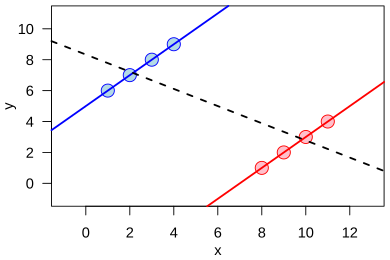
We note that for for frequency matching, at least simple stratified analysis should be adopted. To take the extreme example, consider the Simpson's paradox. This is the phenomenon where an effect seen in all subgroups are reversed when all subgroups are considered together.


June 07, 2006

Crowdsourcing topics in medical research


Not much activity here at the Within Normal Limits of Reason blog lately. Looking over the traffic to this blog, I found that my short post on "post-hoc analysis" was getting a lot of referrals from the major search engines. I decided to port that into Wikipedia. Then, seeing the lack of entries on specific topics in medical research, I started to contribute to other articles... and now I'm hooked! I'm adding bits and pieces on entries related to medical research like randomized clinical trials and EBM, and initiating a couple of entries like post-randomized consent and interim analysis--mostly works in progress.

The quality of the Wikipedia entries are generally pretty good, and given the editorial oversight and the informal peer review by the entire English-reading internet there really isn't as much misinformation as one might fear. There is some link-spamming but that is generally obvious and unobtrusive. As Wired magazine put it, Wiki has really harnessed the power of crowdsourcing and proved it can work.

Technorati Tags:
/

March 30, 2006

Evidence-based rock, paper, and scissors

Non-transitive dice, invented by Stanford statistician Professor Bradley Efron, defies intuition. In one version, it consists of a sequence of 4 dice A, B, C, D, each with non-standard numbers of its 6 faces. The numbers are chosen such that no matter which die of the 4 you pick, all I need to do is to pick the one before it (e.g., if you picked C then I'll pick A, or if you picked A then I'll pick D), and then, on our next throws of the dice, I am guaranteed to beat you 2/3 of the time. There is no trickery. The dice are not mechanically loaded; the numbers work out so. But this non-transitivity is disconcerting and boggles the mind.

We see something similar in the mediacl research literature. In the Feb issue of the Journal of American Psychiatry, Dr. Heres et al reviewed head-to-head comparisons of 2nd-generation antipsychotics. The report, titled Why olanzepine beats risperidone, risperidone beats quetiepine, and quetiepine beats olanzepine, studied 42 trials that were designed to each compare two 2nd-generation antipsychotics. Published results of these trials were assessed by a psychiatrist and an internist who were blinded to the identity of the medications. They evaluated whether the report favored one drug of the other, and a host of other potential sources of bias in these studies.

Some interesting findings:

  1. 33 trials (out of 42) were sponsored by pharmaceutical companies: No surprise here. In fact they thought these industry-sponsored trials were generally of better quality as far as design, implementation, and sample size are concerned.

  2. 90 percent of these trials favored the medication sold by the sponsoring pharm company


The wording of the abstract is also systematically different. In those abtracts in which the medication sold by the sponsoring company was shown to be superior, the findings would be elaborated in detail towards the end of the abstract. On the other hand, those trials with results unfavorable to the sponsor only briefly mentions the ersult at the beginning of the abstracts.

All in all not as surprising as the transitive dice.


Technorati Tags:
/ / / /

March 29, 2006

STAR*D: landmark study in psychiatry


The Orion Nebula [M42] by NASA via Flickr


The results of Sequenced Treatment Alteratives to Relieve Depression (STAR*D), a landmark study in psychiatry, are beginning to be published. Beyond the important questions it answers, STAR*D is remarkable for:

  1. Large sample size: about 4,000 patients are recruited, a mammoth study by the standards of psychiatry literature

  2. Broad inclusion criterion: any patient presenting for care with nonpsychotic major depressive disorder (defined using the HAM-D scale) for whom his/her clinician deems outpatient anti-depressant therpay would be appropriate. Most anti-depressant trials advertise for patients, which would arguably select for a qualitatively different patient population.

  3. Participation of primary care physicians: in addition to psychiatrists in outpatient psych clinics, PCPs were managing these patients in their daily practice. Titration of anti-depressant dosages were based on validated psychometric instruments (for example see the HRS-D and QIDS-C form used by the STAR*D researchers)

  4. Use of depression remission as endpoint: this is closer to the goals of treatment in clinicial practice. Quantitative abatement of depressive symptoms--the outcome measure of most previous anti-depressant trials--may be maningful and significant but its clinical value is difficult to assess.


Simply, by virtue of its design, STAR*D has ecological validity and clinicians can incorporate with confidence the findings of STAR*D studies.

What are these findings? So far, they have found:

  1. About 30 percent of patients showed remission when placed on Celexa. Predictors of remission include high levels of education, employment status, Caucasian race, and few psychiatric and medical co-morbidities. (Trivedi et al 2006, American Journal of Psychiatry 163, 28)

  2. Of the patients who showed no sufficient response to Celexa and who immediately switch to another anti-depressant (either Wellbutrin, Effexor, or Zoloft), about 1 in 3 patients will show remission within 14 weeks. The magnitude of the effect is about the same regardless of the class of medication switched to. That is, switching to Zoloft--another SSRI like Celexa--was as effective as switching to either Wellbutrin or Effexor (Rush et al 2006, NEJM 354, 1231).

  3. Of patients who showed no sufficient response to Celexa and whose medication regimen were immediately augmented with Wellbutrin or BuSpar, about 30 percent showed remission. (Trivedi et al 2006, NEJM 354, 1243)


STAR*D is a result of the NIMH's push for "practical clinical trials", trials that by design answer practical questions of great clinical value.


Technorati Tags:
/ / / / / /

February 19, 2006

Overlapping confidence intervals


From AP's report on patch contraceptives and the risk of venous thromboembolism:

However, because the confidence intervals of the results for the two forms of contraceptive overlap, there actually may be no increased risk from the patch or it may be more than double.


It's a common mistake to use confidence intervals of 2 measures to assess whether they are significantly different. Two measures can have overlapping CIs yet remain statistically significantly different. As an counterexample, let's take this extreme situation:


* Experiment 1 arrives at the conclusion that if the experiment were repeated thousands of times, the outcome measure X will turn out to be 0 with probability 2.5%, 1 with probability 94.5%, 2 with probability 0.5%, and 3 with probability 2.5% (see top graph). Obviously from the graph, the 95% CI for outcome X is from 1 to 2.

* Another (indepedent) experiment 2 arrives at the conclusion that if the experiment were repeated thousands of times, the outcome measure Y will turn out to be 0 with probability 2.5%, 1 with probability 0.5%, 2 with probability 94.5%, and 3 with probability 2.5% (see bottom graph). Again the CI for outcome Y is simple to see and spans 1 and 2.

Now we have 2 CIs that not only overlap but are in fact identical!

Given this fact that X and Y have identifcal CIs (ignoring the tail probabilities for now), can we conclude that they are not statistically significantly different? Since outcome X is so strongly concentrated at value 1 vs the strong weight of outcome Y at value 2, inspecting the graph and relying on our intuition, we are forced to conclude that despite their identical CIs, outcomes X and Y are statistically significantly different.

How does our intuition compare with statistical reality? A simple simulation test found X and Y to be significantly different with p basically equal to 0 (by Mann-Whitney test).

That overlapping CIs do not imply lack of significant difference is true in real-world situations too. More on this later.


Technorati Tags:
/ /

December 15, 2005

Paul Krugman - "Drugs, Devices and Doctors"


Paul Krugman's column explains Vioxx, Merck, and Cleveland Clinic, in terms of the inter-dependent network of pharma, academic research centers, and doctors as they now are.

Above all, the line between medical researcher and medical entrepreneur has been blurred... Usually, [Marcia Angell] says, "both academic researchers and their institutions own equity" in these companies, giving them a strong incentive to make the big drug companies happy.

The point is that the whiff of corruption in our medical system isn't emanating from a few bad apples. The whole system of incentives encourages doctors and researchers to serve the interests of the medical industry.

The good news is that things don't have to be that way. Economic trends gave rise to the medical-industrial complex, but only because those trends interacted with bad policies, which can be fixed.


Prof Krugman will propose some policy changes in future columns.


Technorati Tags:
/ /

Two blackeyes for biomedical research


As 2005 comes to a close, we first find that Merck had fudged its data on the Vioxx NEJM article.

Now it appears that Prof Hwang Woo-suk of Seoul National University had fudged his data too in his Science article on the creation of new stem cell cell lines.

BBC reports:
At least nine of 11 stem cell colonies used in a landmark research paper by Dr Hwang Woo-suk were faked, said Roh Sung-il, who collaborated on the paper.

Dr Hwang wants the US journal Science to withdraw his paper on stem cell cloning, Mr Roh said.


Technorati Tags:
/

The Crab Nebula across the millennia


Composite of Hubble pics of the Crab Nebula by NASA


The Crab Nebula is a six-light-year-wide expanding remnant of a star's supernova explosion. This composite image was assembled from 24 individual exposures taken with the NASA Hubble Space Telescope�s Wide Field and Planetary Camera 2 in October 1999, January 2000, and December 2000. It is one of the largest images taken by Hubble and is the highest resolution image ever made of the entire Crab Nebula.


So here is in fact a snapshot of the nebula as human civilization passes a major milestone. It's an anniversary of sort for the nebula as well, as the Crab Nebula was first observed, with the naked eye, just about a millenium ago in year 1054. From the Messier Catalog:


The supernova was noted on July 4, 1054 A.D. by Chinese astronomers as a new or "guest star," and was about four times brighter than Venus, or about mag -6. According to the records, it was visible in daylight for 23 days, and 653 days to the naked eye in the night sky. It was probably also recorded by Anasazi Indian artists (in present-day Arizona and New Mexico), as findings in Navaho Canyon and White Mesa (both Arizona) as well as in the Chaco Canyon National Park (New Mexico) indicate.


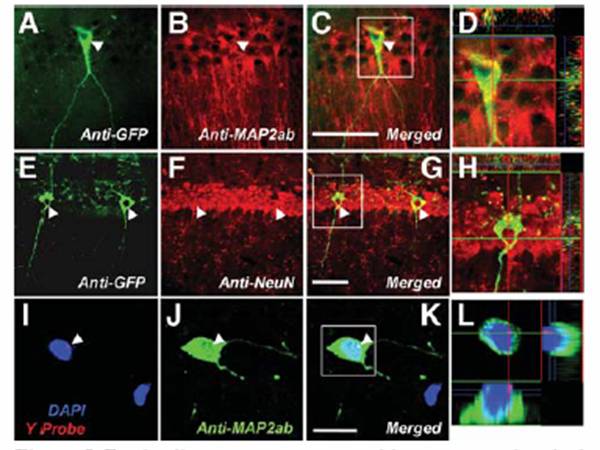
Prof Zhi Cheng Xiao at the Institute of Molecular and Cell Biology and Prof Gavin Dawe et al at the Stem Cell Research Center of the National University of Singapore They showed that stem cells from the fetus in the womb find their way into the maternal brain, where they differentiate into cells of the nervous system and *may* become a part of the mom's thought process. Fascinating stuff.


Technorati Tags:

Mataariki


via Wiki:
In Polynesian mythology (specifically the Maori of New Zealand), the Matariki ("small eyes") are the seven gods of the Pleiades, deities of agriculture and patron deities of navigators.

Technorati Tags:

Merck lied


Editorial released online by the New England Journal of Medicine, on the paper published in year 2000 by Bombardier et al on Merck's Rofecoxib. The editorial is penned by editors Gregory D. Curfman, M.D., Stephen Morrissey, Ph.D., and Jeffrey M. Drazen, M.D.:
a memorandum... obtained by subpoena in the Vioxx litigation and made available to the Journal, [showed] that at least two of the authors knew about the three additional myocardial infarctions at least two weeks before the authors submitted the first of two revisions and 4 1/2 months before publication of the article.

We determined from a computer diskette that some of these data were deleted from the VIGOR manuscript two days before it was initially submitted to the Journal on May 18, 2000.


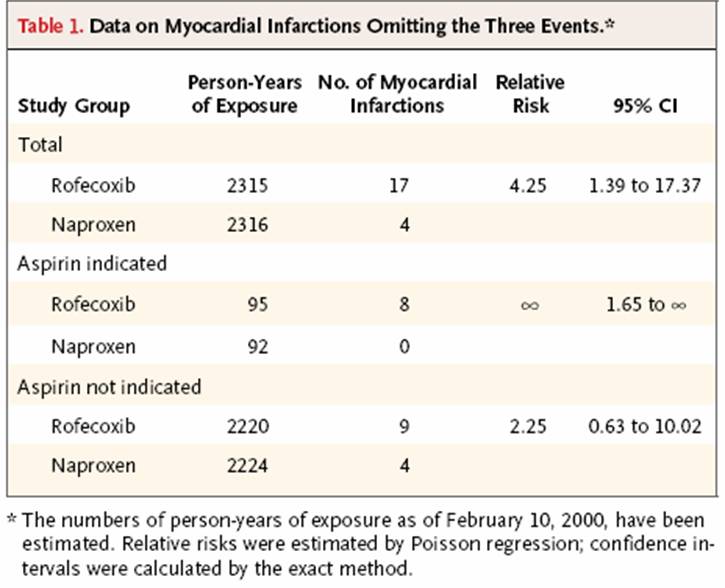
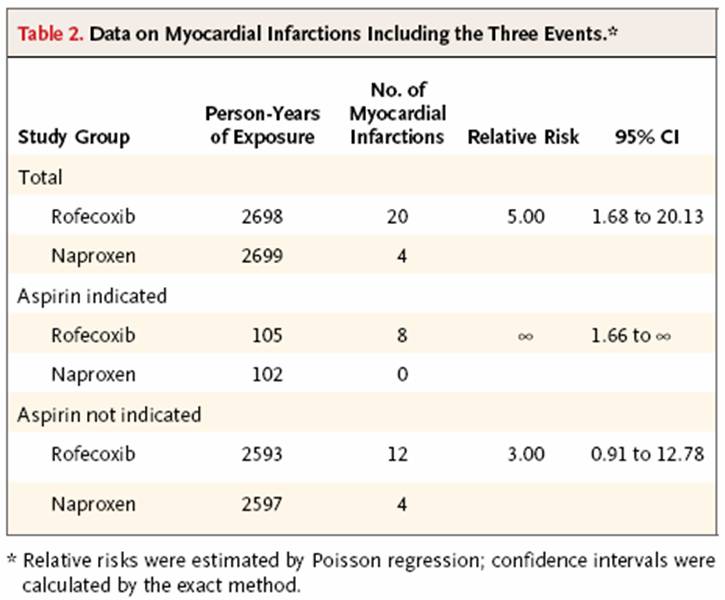
NEJM re-ran the main anlysis and found:

before


after


Dr. Curfman, as quoted in the NY Times article by Alex Brenson:
"They did not disclose all they knew," [Dr. Gregory D. Curfman, the journal's executive editor] said. "There were serious negative consequences for the public health as a result of that."


As we can see clearly from these numbers that the exclusion of these 3 cases of myocardial infarction does not change the main conclusion!

The culprits


The authors of the original study implicated are Claire Bombardier, M.D, and Alise Reicin, Merck's Vice President of Clinical Research.


The fall of Merck


The history of Merck is reviweed here. Merck famously commercialized morphine for medical use and with Pfizer was one of the first companies to mass produce penicillin.

According to NY Times:

Merck now faces more than 6,000 lawsuits from people who say they or their family members suffered heart attacks and strokes as a result of taking Vioxx, and tens of thousands more lawsuits are expected.


Despite Merck's recent victories in court, it looks more and more likely that Merck will be brought down by its COXII inhibitor.


Technorati Tags:
/ / /

December 12, 2005

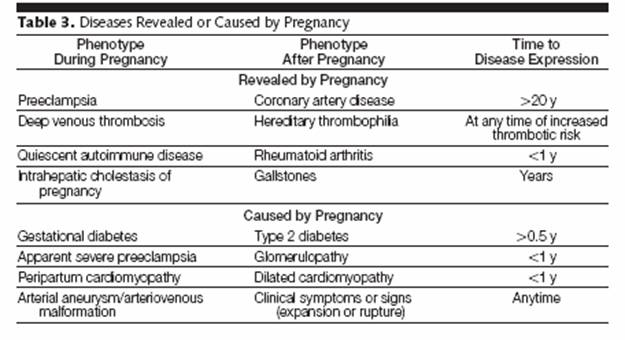
Pregnancy and diseases


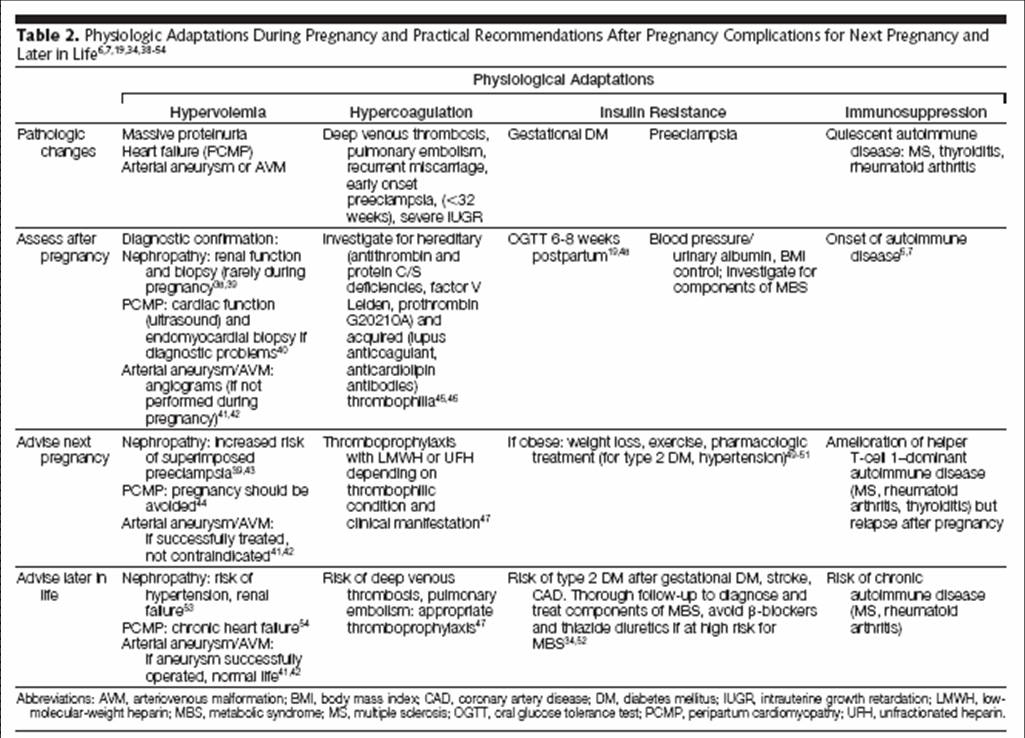
Fascinating summary in JAMA on pregnancy and the associated medically relevant physiological changes, by Profs Risto Kaaja of Helsinki University Hospital and Ian Greer of University of Glasgow.

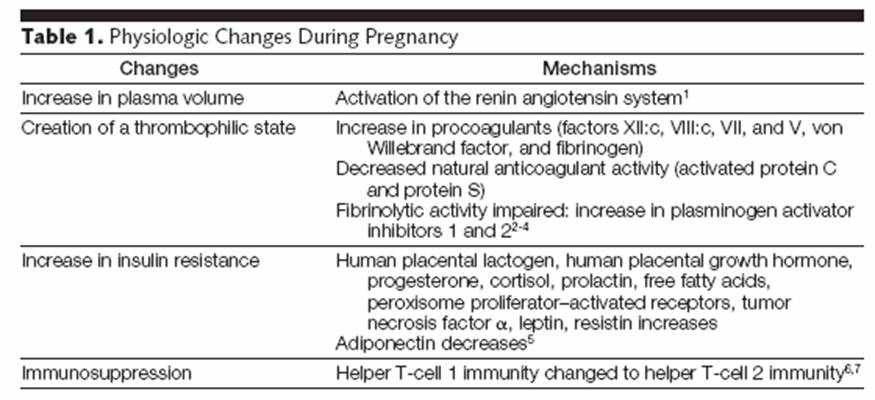
In order to optimize the delivery of nutrients and oxygen to the fetus, the removal of fetal waste, the preparation for labor, and the peaceful co-existence of fetal tissue within the body, a variety of coordinated physiological changes occur during pregnancy:


These perturbations--traumatic as they already are for the healthy mom--represent an even more severe challange to those with diseases or those with otherwise-hidden propensities towards developing diseases.

For instance, during pregnancy the mom's immune system, in order to develope tolerance to the fetus, shifts towards a TH2-dominant state. Correspondingly, TH1-dominant diseases such as rheumatoid arthritis (RA), multiple sclerosis (MS), and thyroiditis all improve during pregnancy. In constrast, systemic lupus erythematosis (SLE), a TH2-dominant disease, tends to deteriorate.

Other diseases of the endocrine and the cardiovascular systems are also perturbed by the pregnant state:


Based on these findings, Profs Kaaja and Greer, both obstetricians, recommend screening protocols to be performed peri-partum to screen for these diseases.


We note also recent work with stem cells have found neurons of fetal origin to be present in the maternal brain, such that in parts of the maternal brain a portion of the mom's nervous system is contributed by their children! (it's important to note that it's not clear these neurons of fetal origin participate in the maternal brain or are just idle bystanders. See also Parasitic Hairworm Charms Grasshopper Into Taking It for a Swim)


Technorati Tags:
/ /

December 08, 2005

Outbreak of Clostridium difficile diarrhea associated with fluoroquinolone use


A New England Journal of Medicine editorial by Drs. John Bartlett and Trish Perl on these 2 papers:

and the CDC report.

Diarrhea secondary to Clostridium difficile colitis is in hospital in-patients characterized clinically by watery diarrhea, abdominal cramps, and white blood cell counts elevated in the 50,000s. Such dramatically high WBC counts are rare, in fact, except in cases of leukemia, and are useful in clinical diagnosis. The typical laboratory diagnosis is done by detection of the C. diff toxins. The assay is in fact based on cross-reactivity between antiserum to Clostridium sordelli against Clostridum difficile cytotoxin (a.k.a. Toxin B) in tissue culture. (Notes on Medical Microbiology by Yifan Douglas Yang, Morag C Timbury, A Christine McCartney, Bishan Thakker). Interestingly, this lab test will not identify this epidemic strain (? more details coming).

In the 1970s, clindamycin was associated with C diff diarrhea. In the 1980s it was cephalosporins. Now it is the use of fluoroquinolones.

Pathogenicity of the new C diff strain


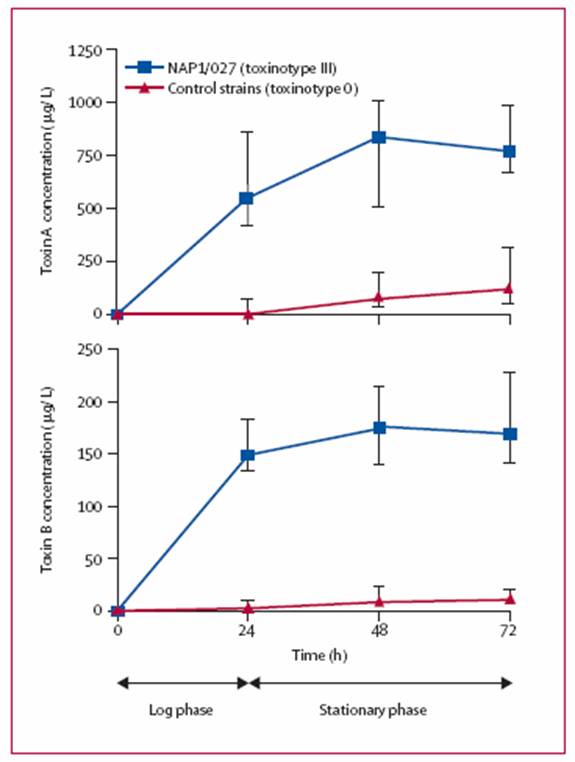
As Warny et al described in the Lancet, this new strain of C diff associated with fluoroquinolone use in hospital in-patients is unique in its rate of toxin production. With mutations in its tcdC locus, it seems to have evolved the ability to produce vastly larger amounts of toxins A and B. In addition, whereas other strains of C diff produce only minimal amounts of toxin while they are busy growing and dividing (i.e. the log phase), the new outbreak strain produces toxins A and B even during this time.

We note that the genome of Clostridium difficile is still being sequenced by the Sanger Institute.


Technorati Tags:
/ / /

December 07, 2005

Applying public health measures to HIV infection


Dr. Thomas R. Frieden, the Commissioner of the New York City Department of Health and Mental Hygiene, et al in the New England Journal of Medicine.

25 years into the epidemic, progress is stalled. The number of deaths among people with AIDS has not declined since 1998, and the number of newly diagnosed cases is rising slightly... Late diagnosis of infection is common... Notification of the partners of infected persons is rare.


...given the availability of drugs that can effectively treat HIV infection and progress on antidiscrimination initiatives, perhaps society is ready to adopt traditional disease-control principles and proven interventions that can identify infected persons, interrupt transmission, ensure treatment and case management, and monitor infection and control efforts throughout the population.


I do not know much about applied epidemiology myself, but this is how Dr. Frieden breaks it down:

  1. Case finding and surveillance:


    • Named reporting of all found with a reportable condition (e.g., Salmonella infections and Reye's syndrome). This is now true for patients found to be HIV positive in Michigan.

    • Availability of routine testing in health care settings. Dr. Frieden states that this is often not available.

    • Notification and testing of partners


  2. Interruption of transmission: promotion of condom use, perinatal veritcal transmission prevention, blood product screening, development of vaccine.

  3. Systematic treatment and case management:


    • Case management of the infected individual and his/her contacts, with the case managers accountable for patient outcome. In Ann Arbor, the non-profit HIV/AIDS Resource Center (HARC) provides this service.

    • Linkage of social services to medical care compliance


  4. Population-based monitoring:

    • Contact of treating physician by public health agencies if patient shows inadequate response. This is generally not done for HIV/AIDS.

    • Monitoring viral resistance. Not done outside of research studies.


Support World AIDS Day


Technorati Tags:
/ / / /

December 06, 2005

Washington Post on the (inadequate) use of fistula for hemodialysis


According to the The National Kidney Foundation�s Kidney Disease Outcomes Quality Initiative (K/DOQI) Clinical Practice Guidelines for
Vascular Access, published in year 2000, Guideline 3:

The wrist [arteriovenous] fistula is the first choice of access type because of the following advantages:

  1. It is simple to create.

  2. It preserves more proximal vessels for future access placement.

  3. It has few complications. Specifically, the incidence of vascular steal is low, and in mature fistulae, thrombosis and infection rates are low.


Yet Gilbert M. Gaul of WaPo notes:
Today, fewer than four in 10 dialysis patients nationwide have a fistula, despite overwhelming evidence that they are safer, cheaper and more effective than grafts and catheters.

...fistula rates remain stubbornly low in the United States, and vary dramatically by geography.

Medicare, which picks up most of the $15 billion annual tab for dialysis treatment, pays surgeons more for grafts and catheters than fistulas -- in effect, rewarding inferior care. That's because its reimbursement system is based on the time and resources needed to do a procedure, not on the outcome.

In 2003, it cost Medicare an average of $52,751 to care for a patient with a fistula, compared with $61,929 for those using a graft and $69,893 for those on a catheter, federal data show.

Patients with grafts and catheters also have a 20 to 70 percent greater chance of dying in the first year of treatment, according to CMS.


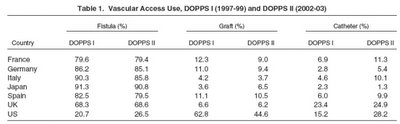
From the Rayner et al 2004 paper in the American Journal of Kidney Diseases, "Vascular access results from the Dialysis Outcomes and Practice Patterns Study (DOPPS): performance against Kidney Disease Outcomes Quality Initiative (K/DOQI) Clinical Practice Guidelines", we see that:


The U.S. ranks in the very bottom for fistula use in chronic hemodialysis. The DOPPS studies have produced some very interesting results. Among others, it has shown that American patients on hemodialysis have much higher mortality than those in other countries. I'm not certain if this is due to differences in patient characteristics or medical care, but it has been suggested the difference may be related to the much faster, much higher-flow hemodialysis preferred by patients and dialysis centers alike.


Technorati Tags:
/ / /

December 05, 2005

Nicholas Kristof on "The Hubris of the Humanities"


In this column, the worldly and profound Nicholas Kristof begins with the intelligent design debate and comments on the American culture's disdain of science as it is, "a profound illiteracy about science and math as a whole".

A larger problem is the arrogance of the liberal arts, the cultural snootiness of, of ... well, of people like me - and probably you.

... In the U.S. and most of the Western world, it's considered barbaric in educated circles to be unfamiliar with Plato or Monet or Dickens, but quite natural to be oblivious of quarks and chi-squares.


Such great thinkers of the Western tradition as Aristotle insisted that women have fewer teeth than men. As Bertrand Russell said, "although he was twice married, it never occurred to him to verify this statement by examining his wives' mouths."

While I'm a fan of Aristotle's On Rhetoric--as I am a bigger fan of Kant's metaphysics--parts of their works have quite limited applicabilities today. As historical works of smart men and women before our time, they demonstrate both the power and the limits of reason, how deeply the mind can make sense of the world and how simply it can fall short.

Indeed,

...don't pin too much faith on the civilizing influence of a liberal education... similar arguments were used in past centuries to assert that all a student needed was Greek, Latin and familiarity with the Bible - or, in [Ming Dynasty] China, to argue that all the elites needed were the Confucian classics.

Increasingly, we face public policy issues - avian flu, stem cells - that require some knowledge of scientific methods, yet the present Congress contains 218 lawyers, and just 12 doctors and 3 biologists. In terms of the skills we need for the 21st century, we're Shakespeare-quoting Philistines.


Mr. Kristof quotes work by Jon Miller, the Director of the Center for Biomedical Communications at Northwestern University showing that "in 34 countries, says Turkey is the only one with less support for evolution than the U.S." Couldn't find the original source, so can't comment on the methodology.

I did find this report at National Science Foundation on public understanding of science and tech from 2004:

More Americans now agree with the theory of evolution. The 2001 NSF survey marked the first time that more than half (53 percent) of Americans answered "true" in response to the statement "human beings, as we know them today, developed from earlier species of animals." (In Europe, 69 percent responded "true.")


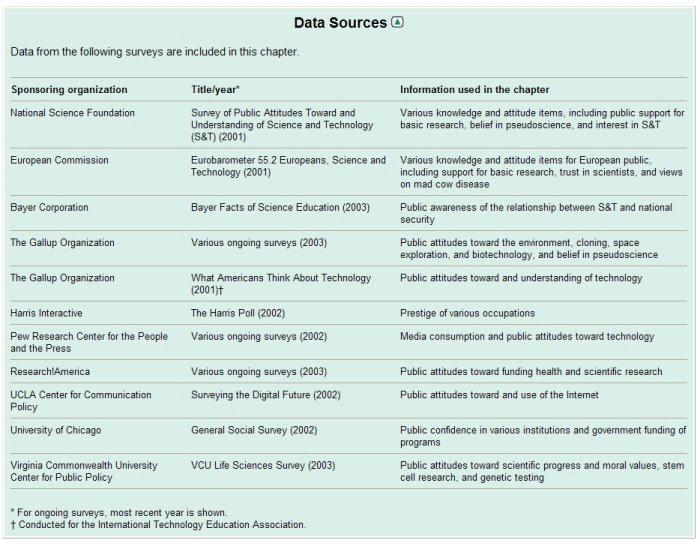
The data sources of this report:


Other interesting findings from this report:


While belief in pseudoscience is still common--60 percent of surveyed Americans said they believe in extrasensory perception, and 41 percent thought that astrology is at least somewhat scientific., only a small subset (10 percent) of the American population admit no interest in science and technology issues. It's not clear however if this interest is in science and tech in themselves or if it includes antagonism.

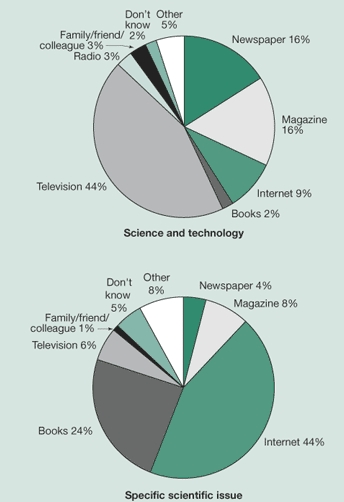
As seen on the figure on the right, Americans get most of their information about science and tech from TV (top pie). But when they have specific science & tech questions, they overwhelmingly turn tot he internet (bottom pie).


Technorati Tags:
/ / /

Diagnostic Clinical Trial: Phased evaluation of medical diagnostic technologies


From the Statistics in Medicine special issue on the 25th Annual Conference of the International Society for Clinical Biostatistics, Prof Margaret S. Pepe from University of Washington Dept of Biostatistics and Fred Hutchinson Cancer Research Center's article "Evaluating technologies for classification and prediction in medicine".

To begin with, Prof Pepe points to the CONSORT statement, which in essence gives guidelines for the design, analysis, and reporting of randomized clinical trials of therapeutics. She notes the Standards for Reporting of Diagnostic Accuracy (STARD) initiative which has arisen to specify analogous guidelines for medical diagnostics.

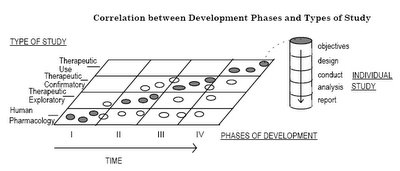
Prof Pepe proposes that the structured investigation of therapeutics into the canonical 4 phases can also be adapted for the investigation of medical diagnostics.


Prof Pepe proposes a 5-phase approach. For each phase she identifies the major objective and the best study design to achieve these goals.

  1. Preclinical exploratory: to identify promising directions by convenience sample case-control studies

  2. Clinical assay and validation: to determine if a lcinical assay detects established disease by population-based case-control studies

  3. Retrospective screening: to determin if the biomarker detects disease before if becomes clinical, and to define a "screen positive" rule, by nested case-control studies

  4. Prospective screening: to determine the extent and characteristics of disease detected by the test and to identify the false referral rate, by cross-sectional studies

  5. Cancer control: to aseess the impact of screening on reducing the burden of disease on the population, by--ideally--randomizaed trial


Prof Pepe also identifies a number of interesting statistical issues that apply distinctly to medical diagnostics. Will review.


Technorati Tags:
/ / / /

December 04, 2005

DNA microarray for speciation of clinical fungal pathogen isolates


From the Journal of Clinical Microbiology, Leinberger et al uses microarray technology to rapidly speciate human fungal pathogens.

Susceptibility testing is already quite unreliable for bacteria, and it is even less useful for fungal infections. In fact antifungal agent choice is mostly based on the speciation of the fungus. Yet speciation is typically performed by examining the shape of the fungus and performing biochemical tests on fungal colonies. This requires a relatively large number of fungi, which will needs a couple of days to grow. This process is of course the rate-limiting step of clinical decision making in treating fungal infections.

Using DNA microarray technology, Leinberger et al produced a spot array chip containing unique sequences of rRNAs from 12 common pathogenic fungi. These were validated against 21 speciated clinical isolates. They found that the microarray chip was able to rapidly (within about 4 hours) and accurately speciate 12 of the most common fungal pathogens in the genus Candida and Aspergillus.


This clinical applications of DNA microarray technology is particularly clinically relevant, as critically ill and immunocompromised patients can be infected by multiple fungal species. Rapid and targeted antifungal selection should help clinicians better balance the treatment of infections against the often serious adverse effects of antifungals.


Technorati Tags:
/ / / /

Tom Cruise buys an ultrasound machine for home use


The American College of Radiology (ACR)'s press release regarding Mr. Cruise:

...ultrasound should not be considered completely innocuous. Laboratory studies have shown that diagnostic levels of ultrasound can produce physical effects in tissue, such as mechanical vibrations and rise in temperature, particularly when used for a prolonged period of time.


The FDA's statement in June 2005 warned:
those who subject individuals to ultrasound exposure using a diagnostic ultrasound device (a prescription device) without a physician's order may be in violation of State or local laws or regulations regarding use of a prescription medical device.


This may not be a purely technical violation, as MSNBC's Fran Kritz noted:


The FDA says that while prenatal sonograms are generally done at very low power levels, current machines, which range in price from $15,000 to $200,000, can produce sound wave intensities eight times higher than a decade ago and at that level, especially if used for prolonged periods, there could be a real risk to the developing fetus.


Mr. Cruise should note that there is a new Alberta, Canada law which will allow children to sue their mothers for injuries suffered in the womb.


(via Kevin, MD blog)

Technorati Tags:
/ / /

Medical tourism amongst Asian countries and the Globalization of Medical Care


By Steve Mollman of WSJ:
Facing age 40, Paul Luciw decided an extensive health checkup was in order. His local hospital in Hong Kong said it would cost the equivalent of about $1,300.

He got a quote from Bangkok's Bumrungrad International hospital for about $300. So, with a few buddies who also wanted checkups, he made a mini-vacation out of it earlier this year.


The article gives figures quoted by Ruben Toral, marketing director at Bumrungrad International:

Health-care services in Thailand is

  • about 40 percent cheaper than in Singapore

  • about 75 percent cheaper than in Japan


Mr. Toral also says the number of foreign patients at his hospital jumped to more than 380,000 this year, from about 168,000 in 2000.

Quality Assurance in Globalization of Medicine


The Joint Commission International is a U.S.-based accreditor of health-care organizations around the world, which
extends [Joint Commission on Accreditation of Healthcare Organizations (JCAHO)]'s mission worldwide. Through international consultation, accreditation, publications and education, Joint Commission International helps to improve the quality of patient care in many nations. Joint Commission International has extensive international experience working with public and private health care organizations and local governments in more than 60 countries.


What this means for medical students


I personally do not see any significant force or event of sufficent strength and persistence--save an all-out WWIII as in Scorpion's Gate--to reverse this emerging trend. One could make the argument that for U.S. patients, the psychological and financial barriers are a bit higher, given the longer distance required for travel and the stronger baseline suspicion we harbor towards foreign science and technology. But at least within regions--specifically Asia and Europe where medical tourism has been observed by local media to have emerged--this trend will be irreversible. The main question then is how far will this go?

From a medical student's perspective, it does not seem unreasonable to go into a global medical practice. That is, since we have no established practice of yet, this trend is less disruptive than it is promising. As an example, for 6 months out of the year, my family and I could fly to an Asian country and practice, where given the lower local costs I charge lower prices and I live cheaper. Suppose I was a pulmonologist, then I could help deal with the COPD patient population to come given the massive cigarette consumption in Asian countries. For the other 6 months of the year, I could practice in the U.S. in an academic center where I can focus on taking care of American patients and learning the latest developments of my field. For more elective services, I might even be able to refer U.S. patients to my Asian practice.

Some pre-requisite:

  • Infrastructure: sufficient number of academic centers/practice groups need to be comfortable enough with accepting such international doctors.

  • Accreditation: it sure would be nice if medical licensure can become global. I don't see this happening anytime soon since this is the major mechanism for controlling the supply of doctors in the U.S.

  • Well my hypothetical wife and children will have to be able to accept this lifestyle. As far as education for children... I guess I'll just enroll them in MIT's Open CourseWare :)


Technorati Tags:
/ /